




Hardware Products: Where Are They Used? A Cross‑Industry Overview
Hardware — a broad term covering metal fasteners, tools, fittings, hinges, locks, handles, and structural components — is the silent backbone of modern industry and daily life. Though often overlooked, hardware products enable the assembly, function, and safety of almost everything around us. From skyscrapers to smartphones, from cars to kitchen cabinets, hardware is everywhere. This article explores the major fields where hardware products play an essential role.
1. Construction and Building
The construction industry is the largest consumer of hardware. Structural steel connections, roof trusses, window frames, door installations, and interior finishing all rely on hardware.
- Structural fasteners – High‑strength bolts, nuts, washers, and anchor bolts secure steel beams, columns, and concrete forms. They must withstand heavy loads and seismic forces.
- Architectural hardware – Door hinges, handles, locks, latches, and closers are used in residential, commercial, and public buildings. These products combine function with aesthetics.
- Drywall and framing – Self‑drilling screws, nails, and metal studs are used to build interior walls and ceilings.
- Roofing and cladding – Specialized screws with sealing washers, along with metal brackets and clips, attach roof panels and facade systems.
Without reliable hardware, no building could stand safely.
2. Automotive Industry
Modern vehicles contain thousands of hardware components. Every screw, clip, bracket, and fastener must resist vibration, temperature extremes, and corrosion.
- Engine and powertrain – High‑grade bolts (e.g., Grade 10.9 or 12.9) secure cylinder heads, connecting rods, and flywheels. Thread‑locking patches prevent loosening.
- Chassis and suspension – Control arm bolts, strut nuts, and subframe fasteners endure dynamic loads and road shock.
- Body and interior – Clips, screws, and rivets attach trim panels, seats, dashboard components, and door modules.
- Electrical system – Ground screws, battery terminals, and fuse box fasteners ensure reliable electrical connections.
Hardware in automotive applications must meet strict standards such as ISO, SAE, or JIS.
3. Furniture and Cabinetry
Furniture manufacturing depends heavily on hardware for assembly, adjustability, and durability.
- Connecting hardware – Cam locks, dowel screws, cross dowels, and confirmat screws are used in flat‑pack furniture (e.g., IKEA style).
- Hinges and slides – Cabinet hinges (e.g., concealed or overlay), drawer slides (ball‑bearing or under‑mount), and lid stays allow smooth movement.
- Handles and knobs – Drawer pulls, cabinet knobs, and touch latches provide ergonomic access.
- Leveling feet and casters – Adjustable feet and swivel casters make furniture stable and mobile.
Hardware quality directly affects furniture lifespan and user satisfaction.
4. Electronics and Appliances
Though small, hardware in electronics must be precise, often non‑magnetic, and corrosion‑resistant.
- Internal fasteners – Miniature screws (e.g., M2 to M4) secure circuit boards, heat sinks, battery compartments, and housing covers. Stainless steel or nickel‑plated brass is common.
- Standoffs and spacers – Threaded or hex spacers maintain correct distances between PCBs and chassis.
- External hardware – Screws for appliance panels, control knobs, hinge pins for oven doors, and levelling feet for washing machines.
- EMI/RFI shielding – Special fasteners and conductive gaskets help ground electronic enclosures.
Consumer electronics demand high‑precision hardware with consistent torque control.
5. Aerospace and Defense
Aerospace hardware operates under extreme conditions: high altitude, vibration, temperature swings, and weight constraints. Safety is paramount.
- Aircraft fasteners – Titanium or alloy steel bolts, locknuts, rivets, and pins (e.g., MS, NAS, AN standards) are used in airframes, engines, and landing gear.
- Thread‑locking devices – Self‑locking nuts, cotter pins, and safety wire prevent loosening from vibration.
- Special materials – Inconel, Monel, and A286 stainless steel resist high temperatures and corrosion in jet engines and exhaust systems.
Every aerospace hardware piece is traceable and certified; failure is not an option.
6. Marine and Offshore
Marine environments are highly corrosive due to salt water and humidity. Hardware must resist rust and galvanic corrosion.
- Deck hardware – Stainless steel cleats, chocks, hinges, and rail fittings for boats and ships. Grade 316 (marine grade) is standard.
- Underwater fasteners – Bronze or super duplex stainless steel bolts for propellers, rudders, and through‑hull fittings.
- Offshore platforms – Heavy‑dolly bolts, clamps, and cable ladders coated with hot‑dip galvanizing or epoxy.
Regular inspection and replacement of marine hardware are essential for safety.
7. Energy and Power Generation
From wind turbines to solar farms, hardware supports energy infrastructure.
- Wind energy – Tower flange bolts, blade root studs, and nacelle fasteners endure millions of fatigue cycles. High‑strength, preloaded bolts are used.
- Solar power – Stainless steel or aluminum mounting rails, clamps, and grounding lugs attach solar panels to roofs or ground frames.
- Power transmission – Galvanized steel bolts, nuts, and washers secure transmission towers and substation equipment.
- Oil and gas – Corrosion‑resistant fasteners (e.g., B7 studs with 2H nuts) for pipelines, valves, and refineries.
Hardware in energy applications must often meet international standards like ASTM or IEC.
8. Medical Devices
Medical hardware demands biocompatibility, precision, and sterilizability.
- Implants – Bone screws, plates, and spinal rods made of titanium or PEEK (a high‑performance polymer). These are not traditional “hardware” but are manufactured with similar processes.
- Surgical instruments – Screws, pins, and hinges in forceps, retractors, and power tools. Stainless steel (e.g., 17‑4 PH) is common.
- Hospital furniture – Casters, adjustable mechanisms, and fasteners for beds, IV stands, and examination tables.
Medical hardware follows strict regulations (FDA, ISO 13485) and requires traceability.
9. Agriculture and Heavy Machinery
Farm equipment and construction machinery operate in dirty, wet, and high‑load conditions.
- Tractor and implement fasteners – Plow bolts, harrow discs, and grader blade hardware. These often use square necks or special heads to prevent rotation.
- Conveyor systems – Roller chain links, bucket elevator bolts, and lag screws.
- Maintenance hardware – Quick‑release pins, clevis pins, and cotter pins for field repairs.
Durability and ease of replacement are key in this sector.
10. Household and DIY
Finally, hardware is present in every home for repairs, improvements, and hobbies.
- Picture hangers, shelf brackets, and curtain rods – Small screws, anchors, and hooks.
- Plumbing hardware – Compression nuts, hose clamps, and valve handles.
- Electrical boxes and covers – Ground screws and mounting brackets.
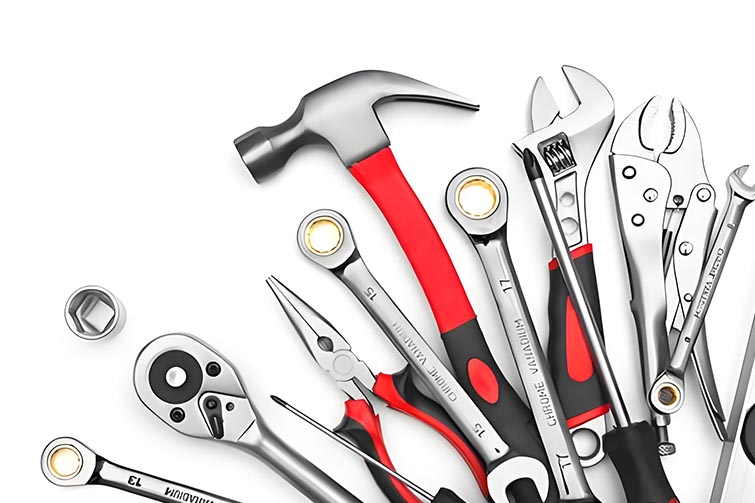
- Tool accessories – Saw blades, drill bits, and wrench sets.
The DIY market relies on standardized hardware available at local stores.
Conclusion
Hardware products are truly ubiquitous. They serve as the invisible connectors, movers, and protectors across construction, transportation, furniture, electronics, aerospace, marine, energy, medical, agriculture, and household applications. Each field imposes unique demands — strength, corrosion resistance, precision, weight, or biocompatibility. By understanding these requirements, engineers and consumers can select the right hardware for the job. As technology advances, hardware continues to evolve, becoming smarter, lighter, and more durable. The next time you open a door, drive a car, or use a smartphone, remember: hardware made it possible.